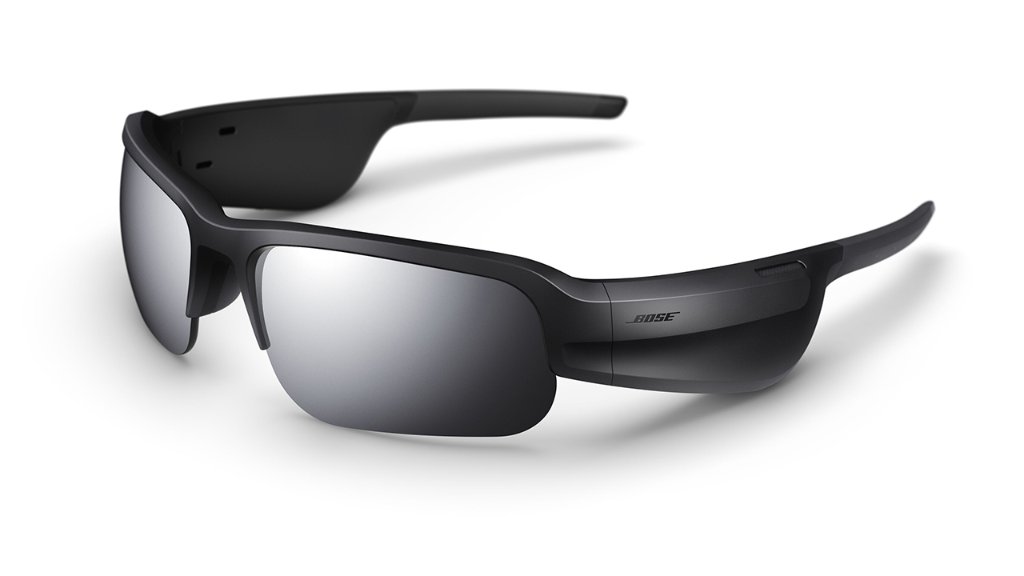
Bose Frames Tempo - view 1
Bose
Editor's Pick

Bose Frames Tempo

Optometrist Perspective - UK Registered

Research-based review by Sean Higgins

Sport audio sunglasses with interchangeable lenses and a documented prescription route, now best approached with support availability in mind.

Prescription options — see assessment
Audio Enabled
  • Interchangeable sport lenses
  • Bose documents prescription compatibility
  • Alternative nose pads support fitting

Optical perspective · Published evidence and editorial interpretation

Sean’s optical assessment

By , GOC Registered Optometrist

My view

Tempo may still appeal if you like sport audio eyewear, but I would check support before spending on a prescription pair. With an older product, battery condition, replacement parts and a willing lens supplier matter as much as the original review. Establish those first and the buying decision becomes much clearer.

Manufacturer evidence and optical interpretation

A prescription route does exist

Bose’s lens-replacement guidance states that Tempo was tested and approved for prescription lenses. A blanket ‘not prescription compatible’ label is therefore inaccurate. Confirm a current supplier and the suitability of your power, cylinder and any progressive requirement for this particular curved sport frame.[1]

Optical interpretation

Lens options and glare

Bose documents replaceable lenses. Check the actual lenses in a used or remaining-stock pair, as replacement glazing may differ. For sport use I would assess coverage and peripheral vision in your normal head position, as well as how clearly you can read your device through the chosen lens.[1]

Independent test

Independent audio and wear testing

SoundGuys’ Tempo test liked the changeable lenses and some aspects of the open-ear sound, while finding variable bass performance. That review helps set realistic expectations, but it does not verify your lens prescription or establish fit with your own helmet.[2]

Manufacturer evidence

Correct the ownership assumptions

Bose’s charging guidance states about eight hours of use from a full charge. Its support page identifies Tempo as sold from 2020–2023. I would ask about battery condition, replacements, lens availability and aftercare before spending on prescription glazing for an older frame.[1][3]

Optical pros & cons

A summary of the evidence and optical interpretation above.

Reasons to consider it

  • Interchangeable sport lenses
  • Bose documents prescription compatibility
  • Alternative nose pads support fitting

Limitations to weigh up

  • Older product with support checks needed
  • Open-ear sound varies with surroundings
  • Prescription and wrap suitability are individual

Before choosing this pair

My fitting checklist

  1. Find a current prescription supplier before buying the frame.
  2. Check lens authenticity, condition and tint.
  3. Confirm battery condition and ongoing support.

Who I would shortlist it for

An outdoor audio user with a confirmed fit, lens route and support arrangement.

Where I would be cautious

Someone relying on a 22-hour battery claim or assuming every optician can glaze the sport frame.

Technical Specifications

Battery Life

Up to 8h typical music playback (Bose)

Audio

Open-ear audio

Lenses

Interchangeable lenses; Bose documents Rx compatibility with limitations

Display

No in-lens display

Research sources

The sources used for this assessment are linked below. Review dates and the exact model matter: software can change, and one frame’s fit does not establish another’s. Manufacturer information supports specifications and lens options; independent reviews describe the named tester’s experience. The prescription and fitting advice is my optical interpretation.

  1. Manufacturer

    [1] Bose — Tempo prescription approval and replacement-lens guidance
  2. Independent test

    [2] SoundGuys — AJ Wykes, Bose Frames Tempo review
  3. Manufacturer

    [3] Bose — Tempo charging and product support
How the optical interpretation is formed

The fitting checklist is an editorial interpretation, not a report that this pair has been physically fitted to you. Relevant checks include the prescription, lens positioning, frame stability and intended task. ABDO’s visual-discomfort guidance explains these general dispensing considerations.

Blue-light filtering or display certification is not treated here as proof of symptom-free use. Cochrane’s review of blue-light filtering spectacle lenses found no established short-term advantage for computer-related visual fatigue. This evidence concerns spectacle filters, not a clinical test of this smart-glasses model.

Read our review methodology