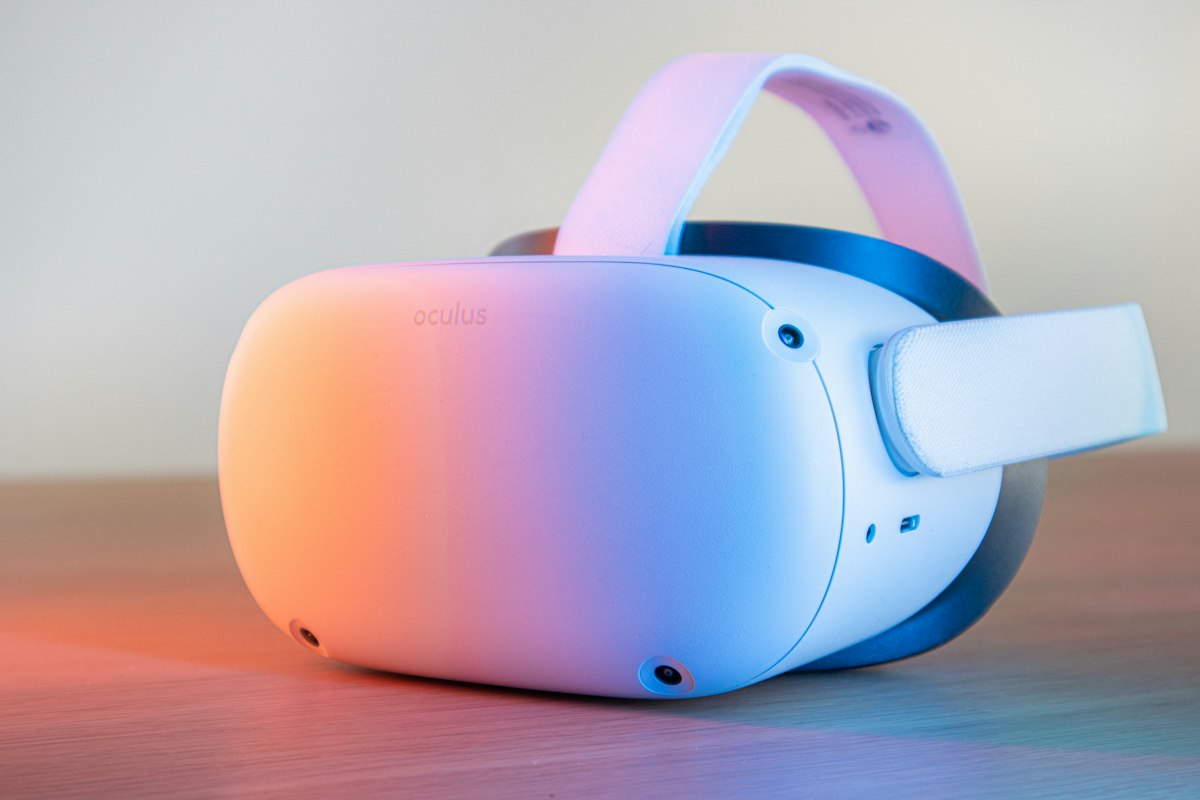
AR Glasses
AR glasses put a screen in front of your eyes: a large virtual display for films, gaming and work, or a small heads-up display for messages and directions. We look at how each one works with your prescription and your eyes.
Filters
15 products
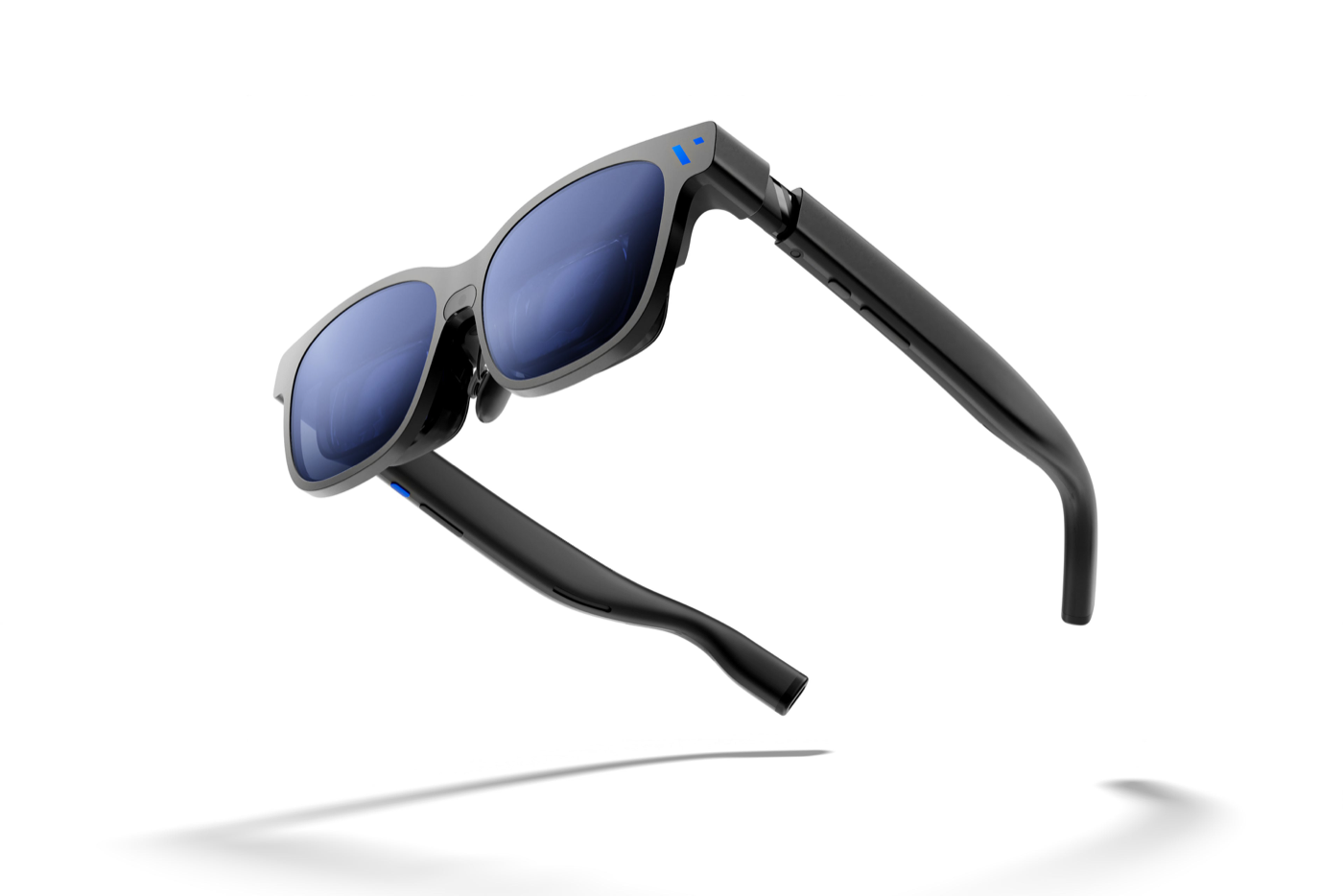
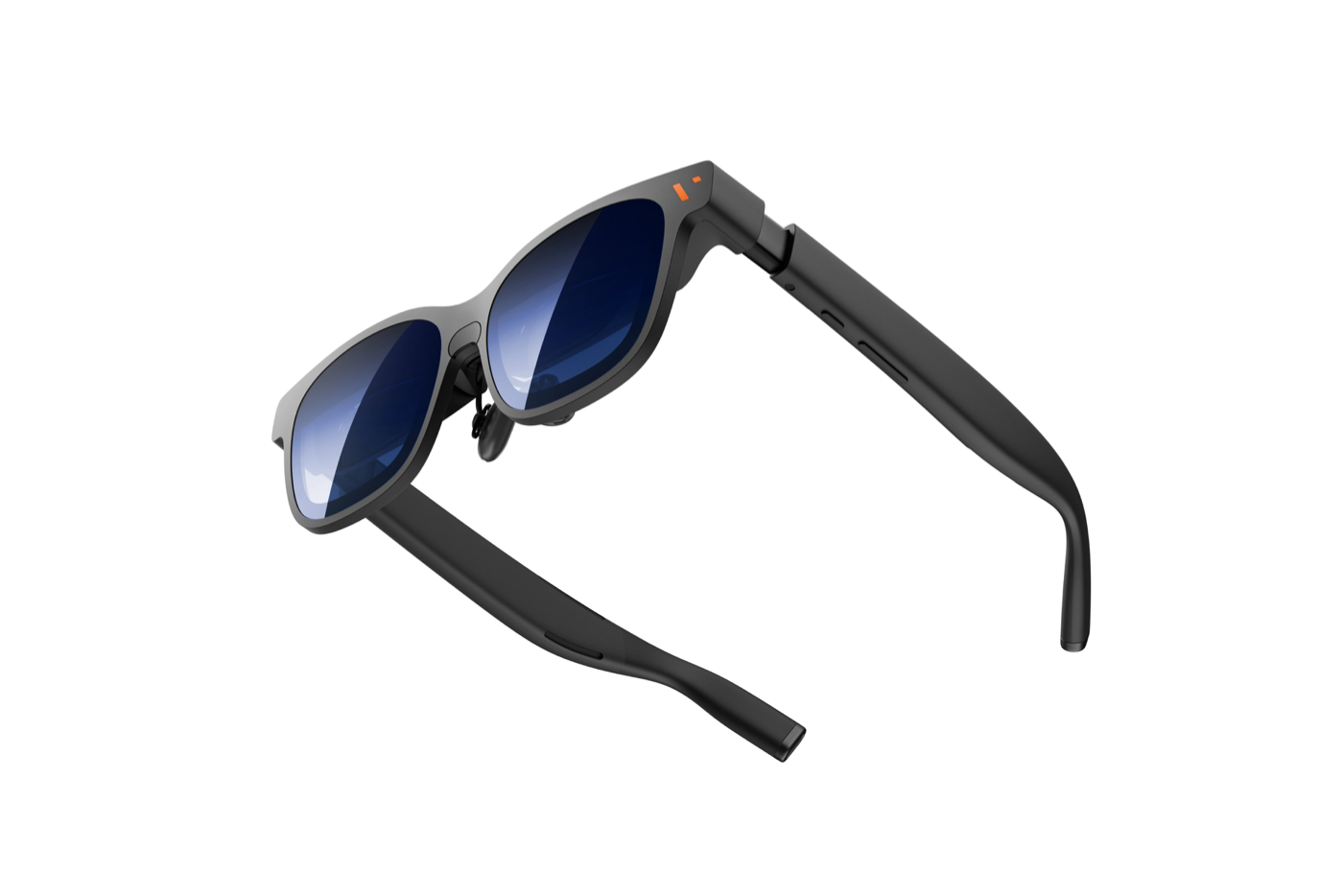
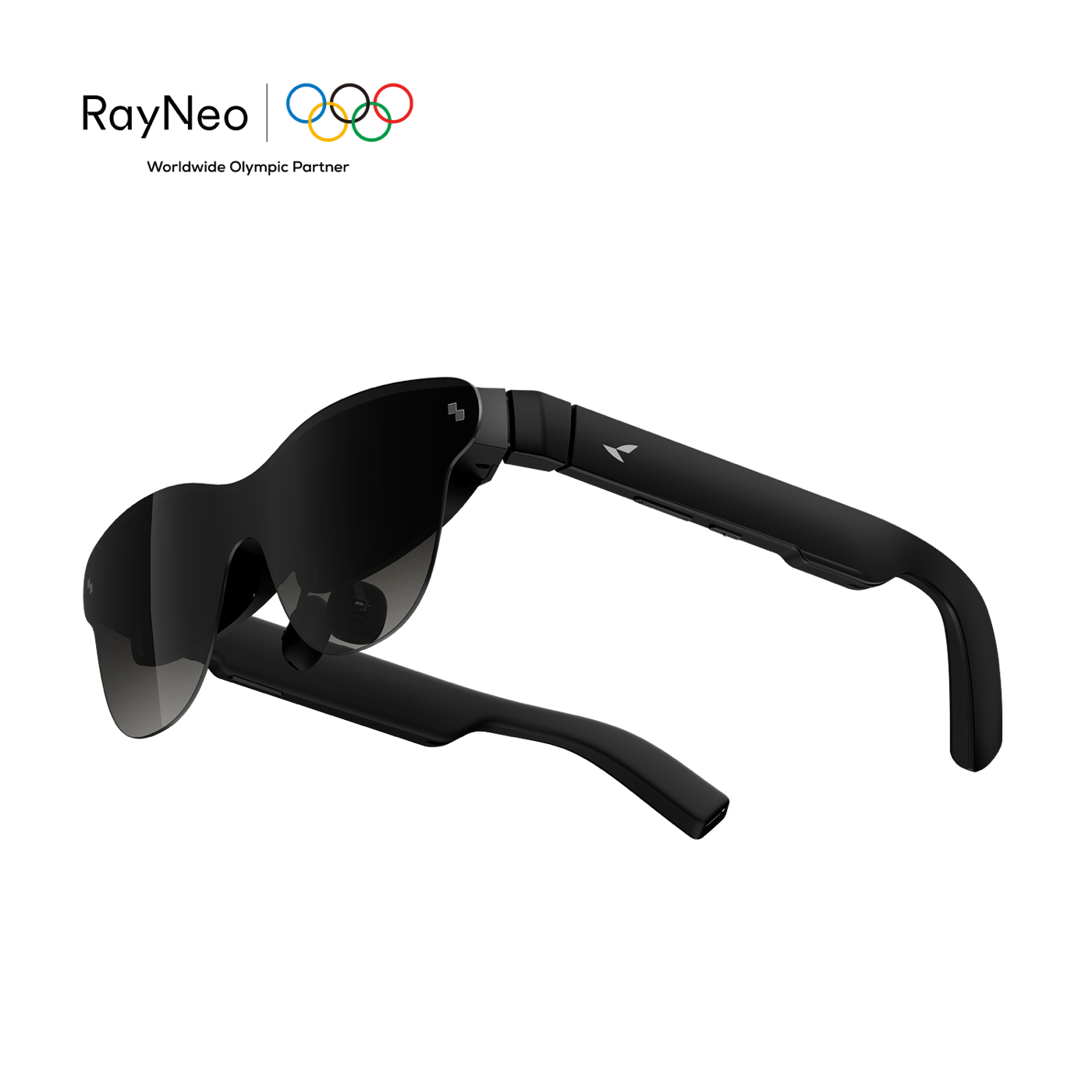
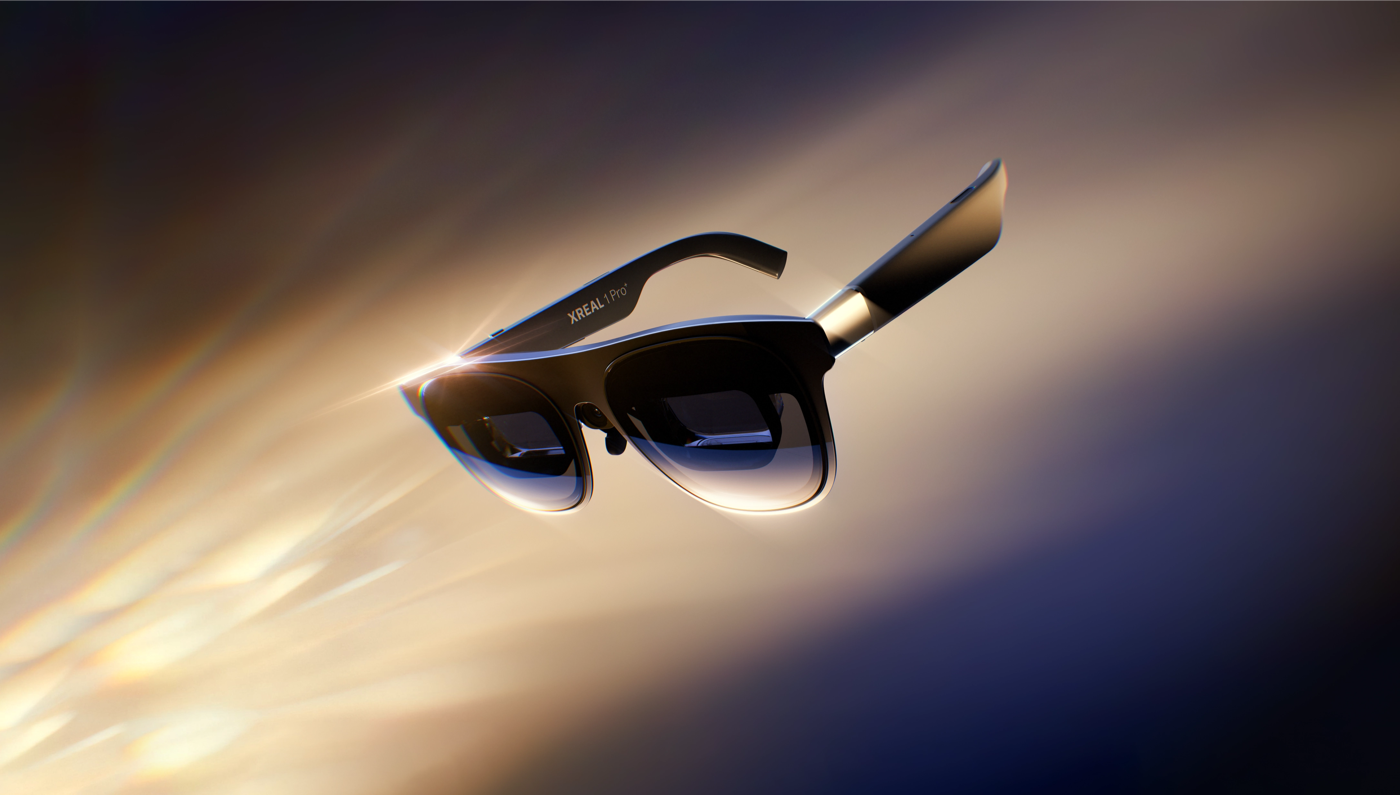
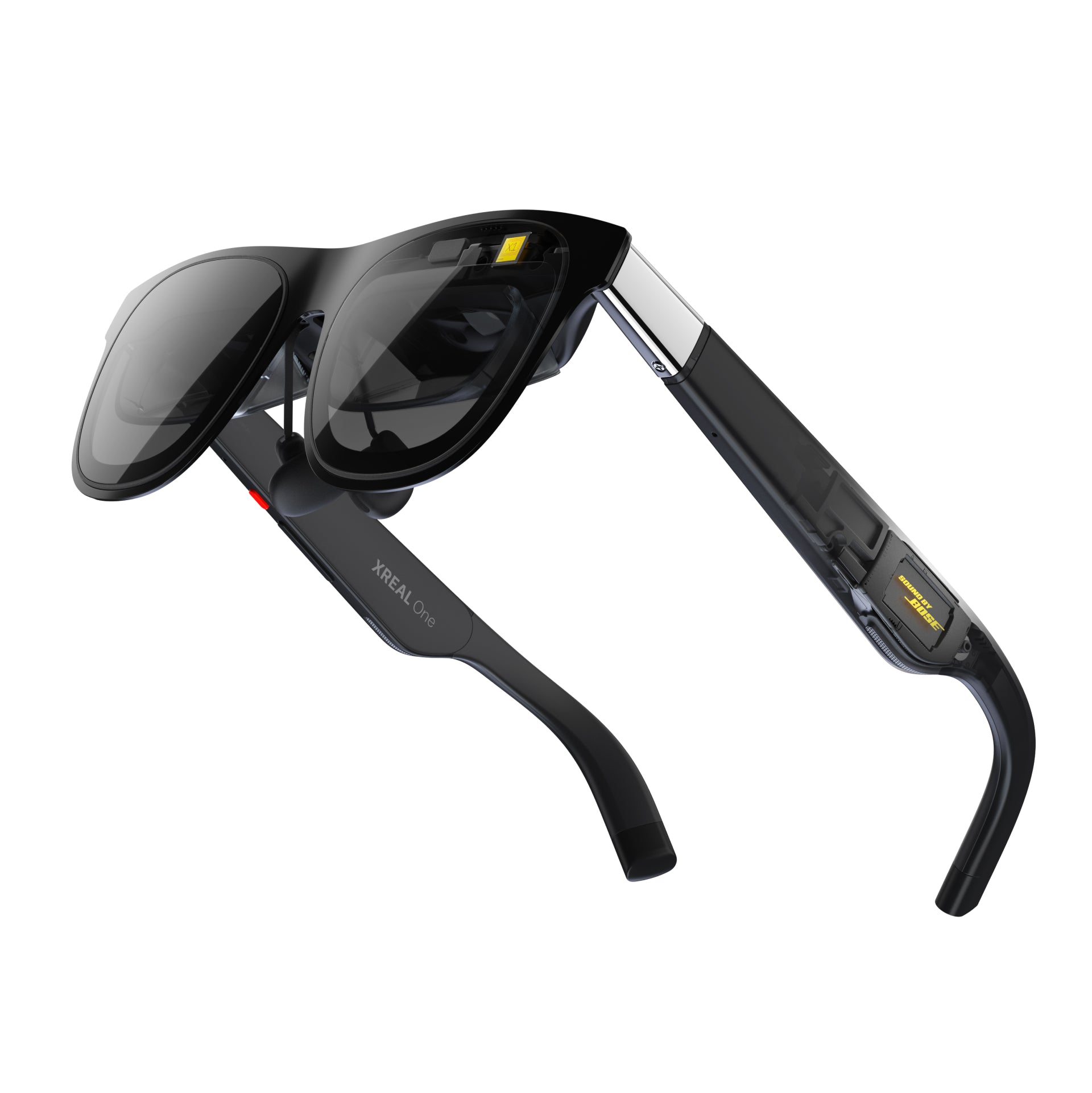
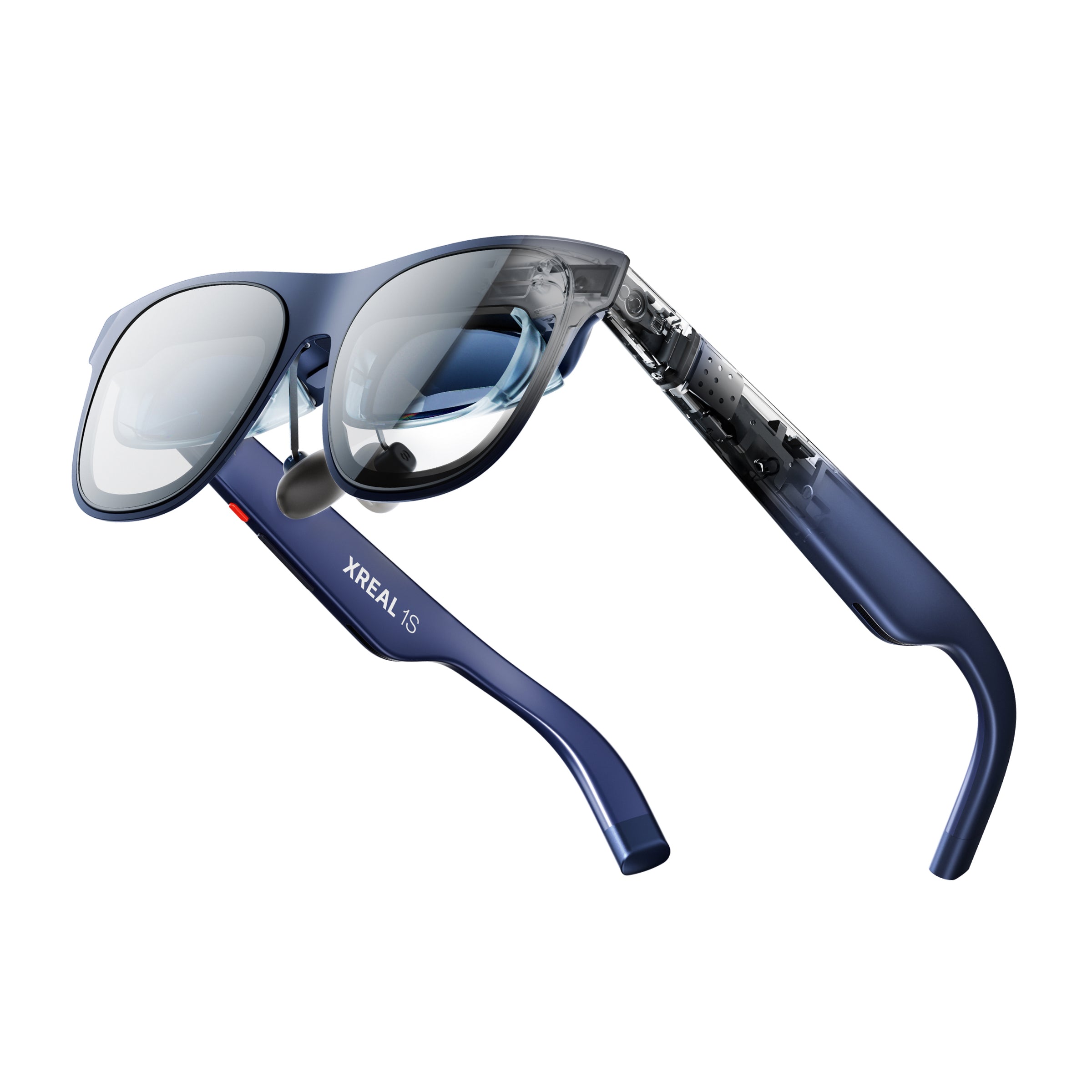
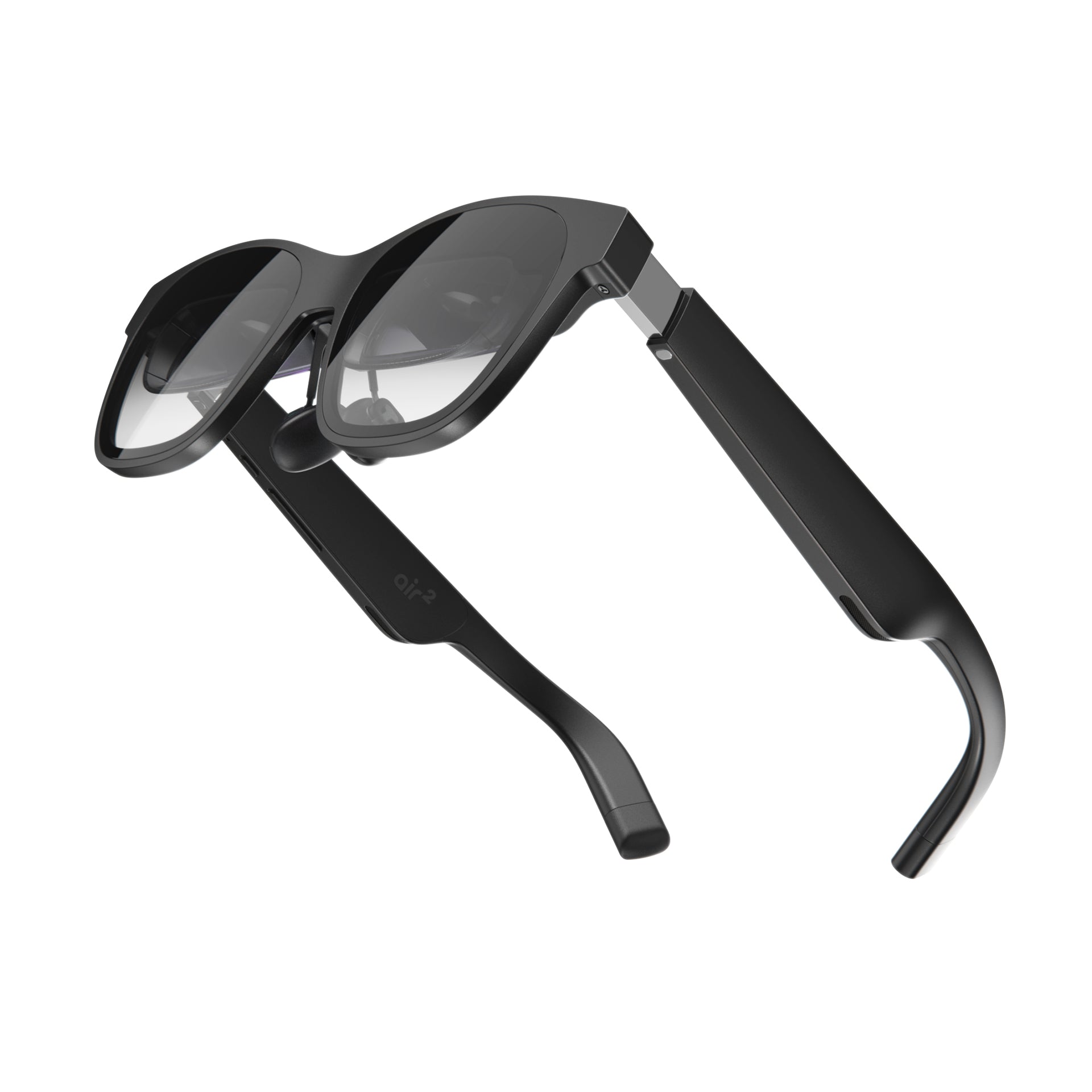


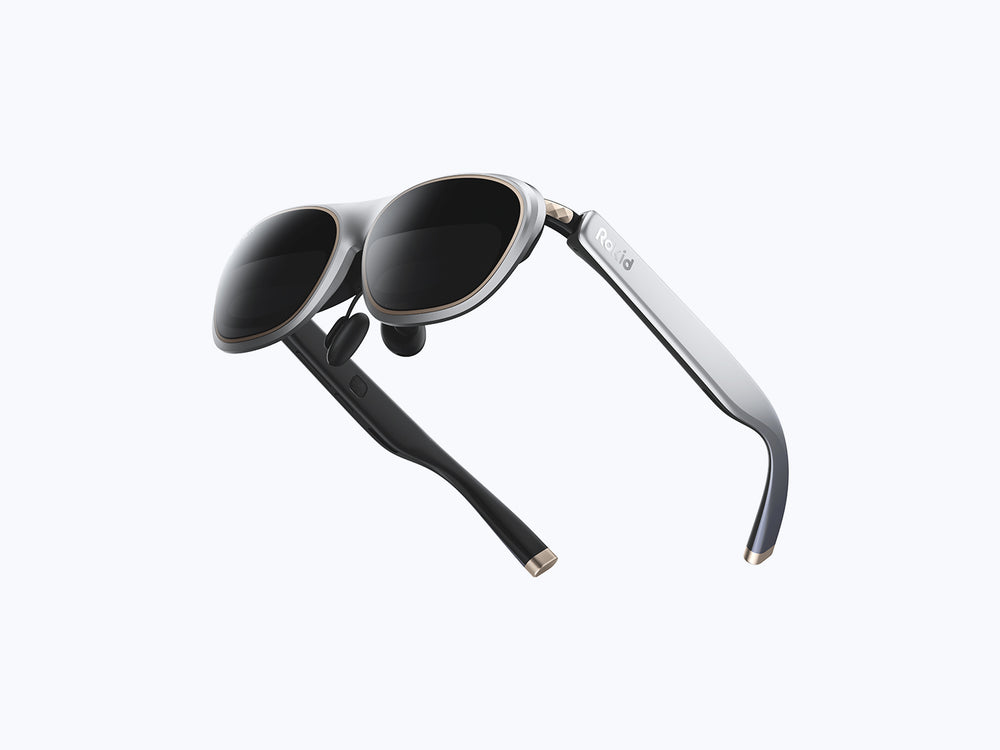
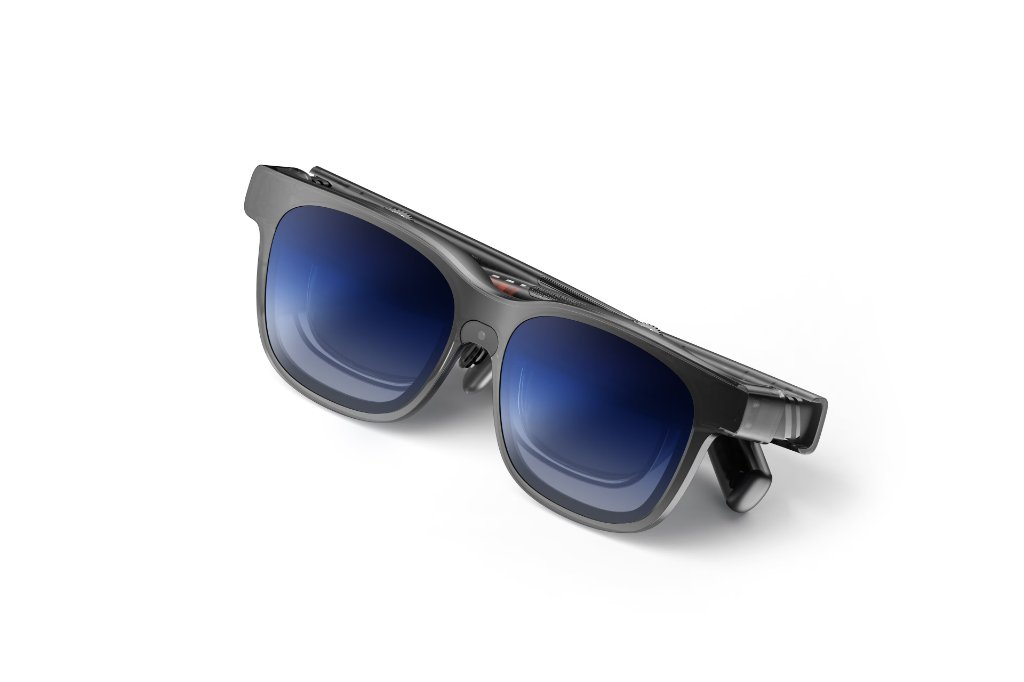
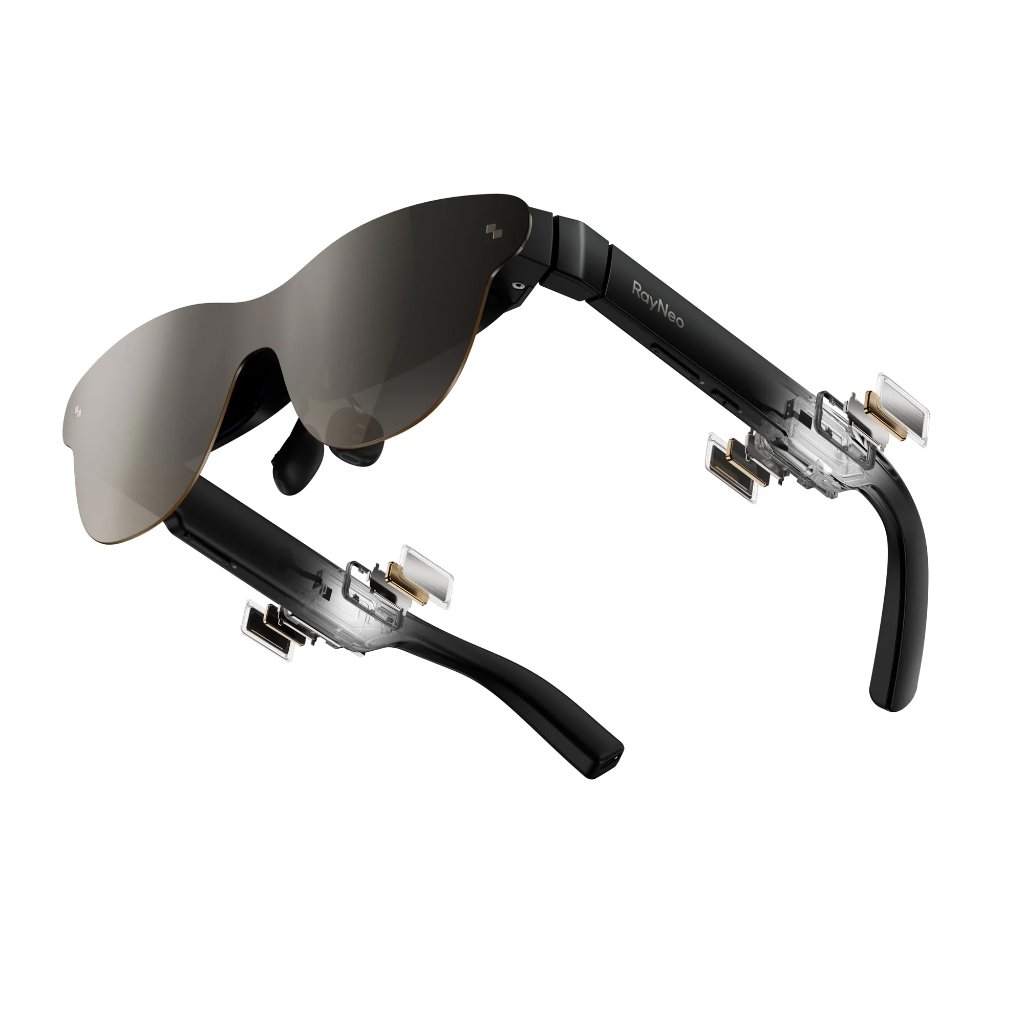
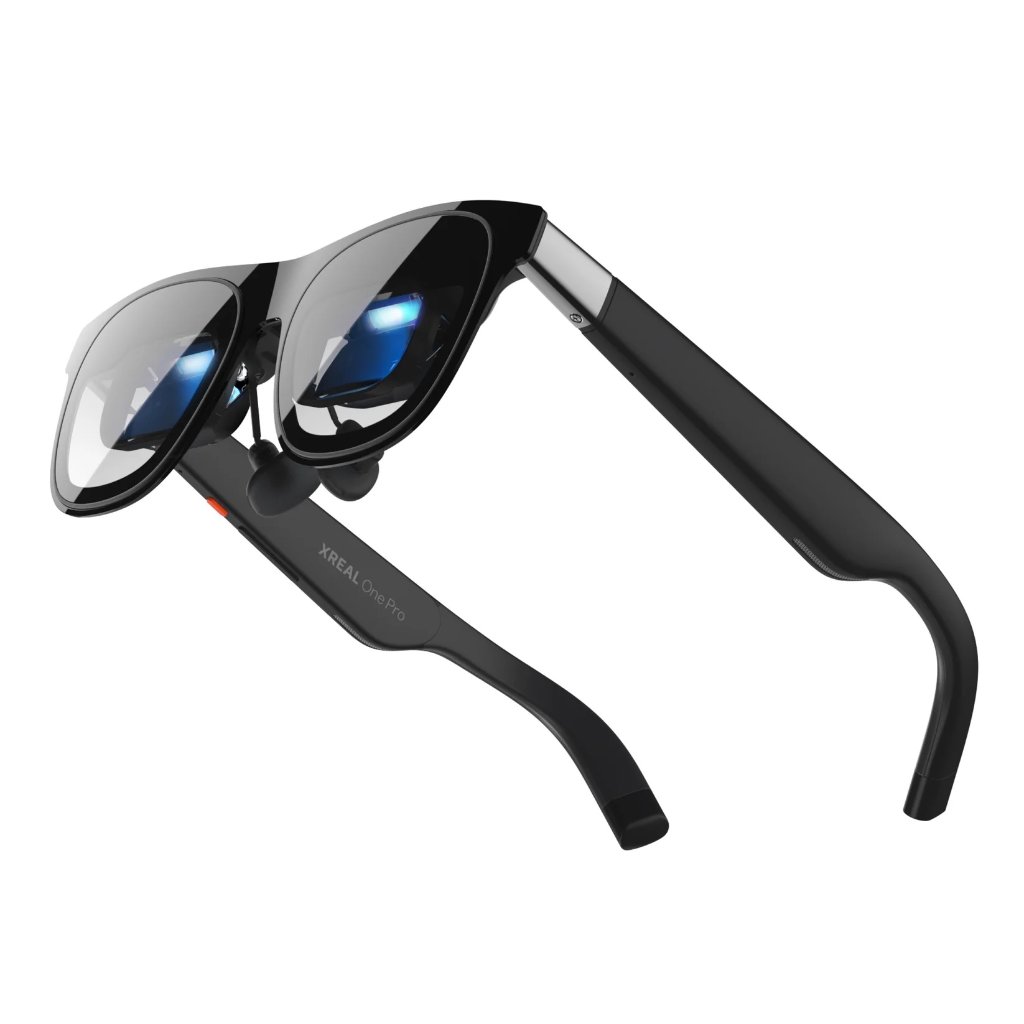
What are AR glasses?
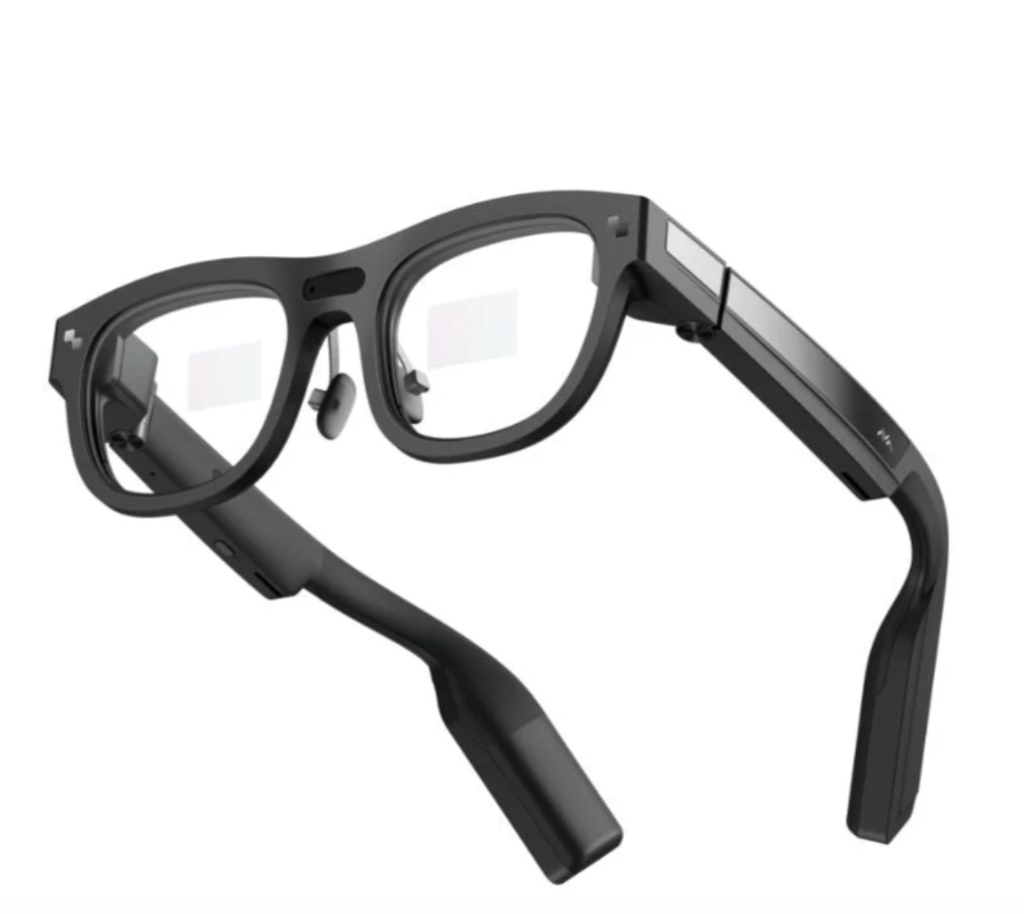
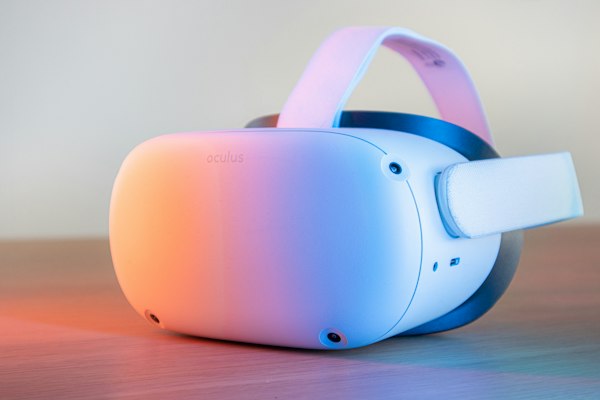
There are two broad kinds of smart glasses with a display. Tethered display glasses plug into a phone, laptop or console, usually by USB-C, and show a large virtual screen. Standalone display glasses show a small overlay for notifications, navigation, captions or translation.
The display technology, brightness and how far away the image appears to sit all affect comfort, which is why we look at optics rather than resolution alone.
AR glasses and prescriptions
Most tethered display glasses take clip-in prescription inserts made to your prescription. Some have built-in dioptre dials for short-sightedness, which do not correct astigmatism. A few standalone display glasses can be glazed directly with prescription lenses.
Read our guide to AR glasses and prescriptions for how inserts, dials and astigmatism work in practice.
Eye comfort with display glasses
Take regular breaks, especially at first, and stop if you get headaches, eye strain or double vision. If you have a squint, a lazy eye or another binocular vision problem, talk to your optometrist before buying display glasses.
Written by Sean Higgins, GOC registered optometrist. How we review.