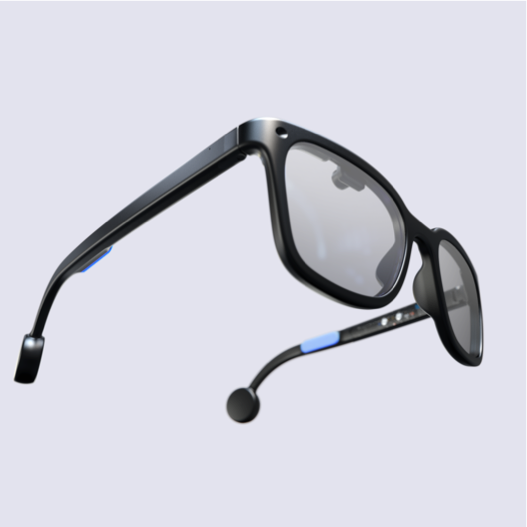
Brilliant Labs Halo - view 1
Brilliant Labs

Brilliant Labs Halo

Optometrist Perspective - UK Registered

Research-based review by Sean Higgins

Open-source AI eyewear with a colour display, bone-conduction sound and an optical sensor for AI inference.

Prescription options — see assessment
AI Powered
AR Display
  • Open-source platform for people who like to experiment
  • Colour information display and a documented prescription partner

Optical perspective · Published evidence and editorial interpretation

Availability: Manufacturer says shipping

The product page states shipping now. Import taxes and prescription-partner fulfilment need checking.

Why this model is included

Brilliant Labs has an established open-source eyewear ecosystem and specialist technology coverage; Halo coverage is not evidence of Sean testing it. See evidence

Editorial coverage reflects documented market presence or interest, not a verified sales ranking. This website provides reviews; it does not confirm retailer stock.

Sean’s optical assessment

By , GOC Registered Optometrist

My view

Halo is most interesting to me as an option for someone who likes open hardware and is happy to explore an evolving platform. I would want the prescription route and display position settled before ordering. Its unusual approach is a reason to investigate, rather than a reason to skip a fitting.

Manufacturer specification + optical interpretation

Where this pair could fit into your day

This display is intended for information and prompts. Do not assume it can act as the large private screen used for films and games. Fit and optical alignment can determine how much of the interface you can actually see.[1]

Documented lens route + optical interpretation

Prescription and optical fit

The display optic adjusts from +2 to −6 dioptres; this is not a replacement for a complete prescription, including cylinder, or for correcting the world beyond the display. The manufacturer links to a prescription partner and specifies a 58–72mm IPD range.[1][2]

Launch coverage · evidence limits

An interesting idea, with testing still to establish

Tom’s Guide’s Halo article explains the open-source design, colour display and prescription partnership. It is launch coverage, not a completed wear test. I would keep the design on a shortlist for curious buyers while leaving comfort, display readability and everyday software reliability open until stronger testing is available.[3]

Availability check + optical interpretation

Before spending on the complete pair

The product page states shipping now. Import taxes and prescription-partner fulfilment need checking. Ask who will handle lens changes and repairs, and read the hardware and custom-lens return terms separately.[1][2]

Optical pros & cons

A summary of the evidence and optical interpretation above.

Reasons to consider it

  • Open-source platform for people who like to experiment
  • Colour information display and a documented prescription partner

Limitations to weigh up

  • Substantial independent wear testing remains limited
  • Display focus adjustment does not correct your everyday view

Before choosing this pair

My fitting checklist

  1. The display optic adjusts from +2 to −6 dioptres; this is not a replacement for a complete prescription, including cylinder, or for correcting the world beyond the display. The manufacturer links to a prescription partner and specifies a 58–72mm IPD range.
  2. Confirm the exact frame, generation and lens configuration on the order.
  3. Test the whole display at a natural wearing position, with the intended prescription solution.
  4. Ask who handles fitting, lens changes and repairs; check custom-lens return terms.

Who I would shortlist it for

A technically curious wearer who wants an open platform and can confirm the lens arrangement.

Where I would be cautious

Someone wanting a settled, extensively tested everyday spectacle replacement.

Technical Specifications

Connectivity

Phone, app and regional service compatibility must be checked

Lenses

The display optic adjusts from +2 to −6 dioptres; this is not a replacement for a complete prescription, including cylinder, or for correcting the world beyond the display. The manufacturer links to a prescription partner and specifies a 58–72mm IPD range.

Display

Information display — see optical assessment

Research sources

The sources used for this assessment are linked below. Review dates and the exact model matter: software can change, and one frame’s fit does not establish another’s. Manufacturer information supports specifications and lens options; independent reviews describe the named tester’s experience. The prescription and fitting advice is my optical interpretation.

  1. Manufacturer

    [1] Brilliant Labs Halo — official product information
  2. Manufacturer or optical supplier

    [2] Brilliant Labs Halo — prescription / fitting information
  3. Launch reporting, not a wear test

    [3] Tom’s Guide — Brilliant Labs Halo announcement (July 2025)
How the optical interpretation is formed

The fitting checklist is an editorial interpretation, not a report that this pair has been physically fitted to you. Relevant checks include the prescription, lens positioning, frame stability and intended task. ABDO’s visual-discomfort guidance explains these general dispensing considerations.

Blue-light filtering or display certification is not treated here as proof of symptom-free use. Cochrane’s review of blue-light filtering spectacle lenses found no established short-term advantage for computer-related visual fatigue. This evidence concerns spectacle filters, not a clinical test of this smart-glasses model.

Read our review methodology