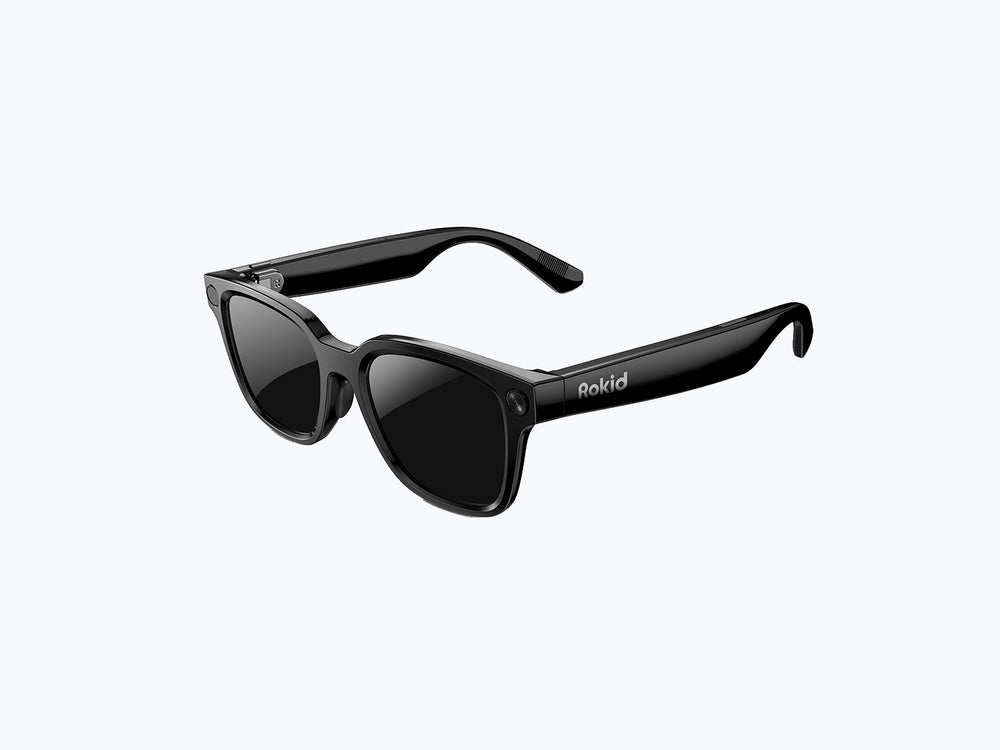
Rokid AI Glasses Style - view 1
Rokid

Rokid AI Glasses Style

Optometrist Perspective - UK Registered

Research-based review by Sean Higgins

Display-free camera and audio glasses with prescription options; distinct from Rokid’s Display and Max entertainment models.

Prescription options — see assessment
AI Powered
Audio Enabled
  • No display to align
  • Prescription lens options
  • Relatively light frame design

Optical perspective · Published evidence and editorial interpretation

Sean’s optical assessment

By , GOC Registered Optometrist

My view

Style is worth comparing with Meta if you want camera and audio features without a display. For me, the deciding detail would be the finished prescription pair. A frame-only weight sounds encouraging, but it is the lenses, bridge fit and pressure behind the ears that determine whether you will want to keep wearing it.

Independent test and optical interpretation

Weigh the finished pair

Notebookcheck measured a distinction between the advertised 38.5g frame and roughly 45.5g with its supplied sunglass lenses. For a prescription wearer, lens material and power can change the finished weight again. I would compare complete pairs rather than frame-only numbers when judging likely nose and temple loading.[1]

Optical interpretation

A conventional optical task

Style has no in-lens display, unlike Rokid Glasses with Display. That means the principal vision questions are the correct lens prescription, centration, coverage and tint. Ask the supplier to confirm the available single-vision or progressive design for the exact frame, and how any future lens change will be handled.[2]

Independent test

Tint and fit are not minor details

Notebookcheck’s reviewer liked general wear comfort but found the supplied polarised sun lenses less useful in low light. That is a lens-configuration issue, not a verdict on every Style pair. My starting point would be the lighting you spend most time in, then an appropriate clear, adaptive or sun option.[1]

Independent test and optical interpretation

Keep assistant claims separate

The same review describes inconsistent assistant and app behaviour. These do not determine optical quality, but they affect the value of adding electronics to your spectacles. I would establish that the frame is satisfactory as eyewear first, then try the current app features on your own phone.[1]

Optical pros & cons

A summary of the evidence and optical interpretation above.

Reasons to consider it

  • No display to align
  • Prescription lens options
  • Relatively light frame design

Limitations to weigh up

  • Headline weight excludes lenses in testing
  • Tint choice affects indoor usefulness
  • Assistant and app reliability varies

Before choosing this pair

My fitting checklist

  1. Ask for the finished lens-and-frame weight if important.
  2. Confirm exact prescription and tint options.
  3. Test app features on your own phone.

Who I would shortlist it for

A user wanting an alternative camera-and-audio frame without projected text.

Where I would be cautious

Someone expecting subtitles in the lens or treating bare-frame weight as a comfort guarantee.

Technical Specifications

Weight

38.5g frame-only claim; finished lenses add weight

Audio

Open-ear speakers

Lenses

Prescription and sun-lens options; confirm chosen configuration

Display

No in-lens display

Research sources

The sources used for this assessment are linked below. Review dates and the exact model matter: software can change, and one frame’s fit does not establish another’s. Manufacturer information supports specifications and lens options; independent reviews describe the named tester’s experience. The prescription and fitting advice is my optical interpretation.

  1. Independent test

    [1] Notebookcheck — Abid Ahsan Shanto, Rokid Style review (June 2026)
  2. Manufacturer

    [2] Rokid — AI Glasses Style official information
How the optical interpretation is formed

The fitting checklist is an editorial interpretation, not a report that this pair has been physically fitted to you. Relevant checks include the prescription, lens positioning, frame stability and intended task. ABDO’s visual-discomfort guidance explains these general dispensing considerations.

Blue-light filtering or display certification is not treated here as proof of symptom-free use. Cochrane’s review of blue-light filtering spectacle lenses found no established short-term advantage for computer-related visual fatigue. This evidence concerns spectacle filters, not a clinical test of this smart-glasses model.

Read our review methodology