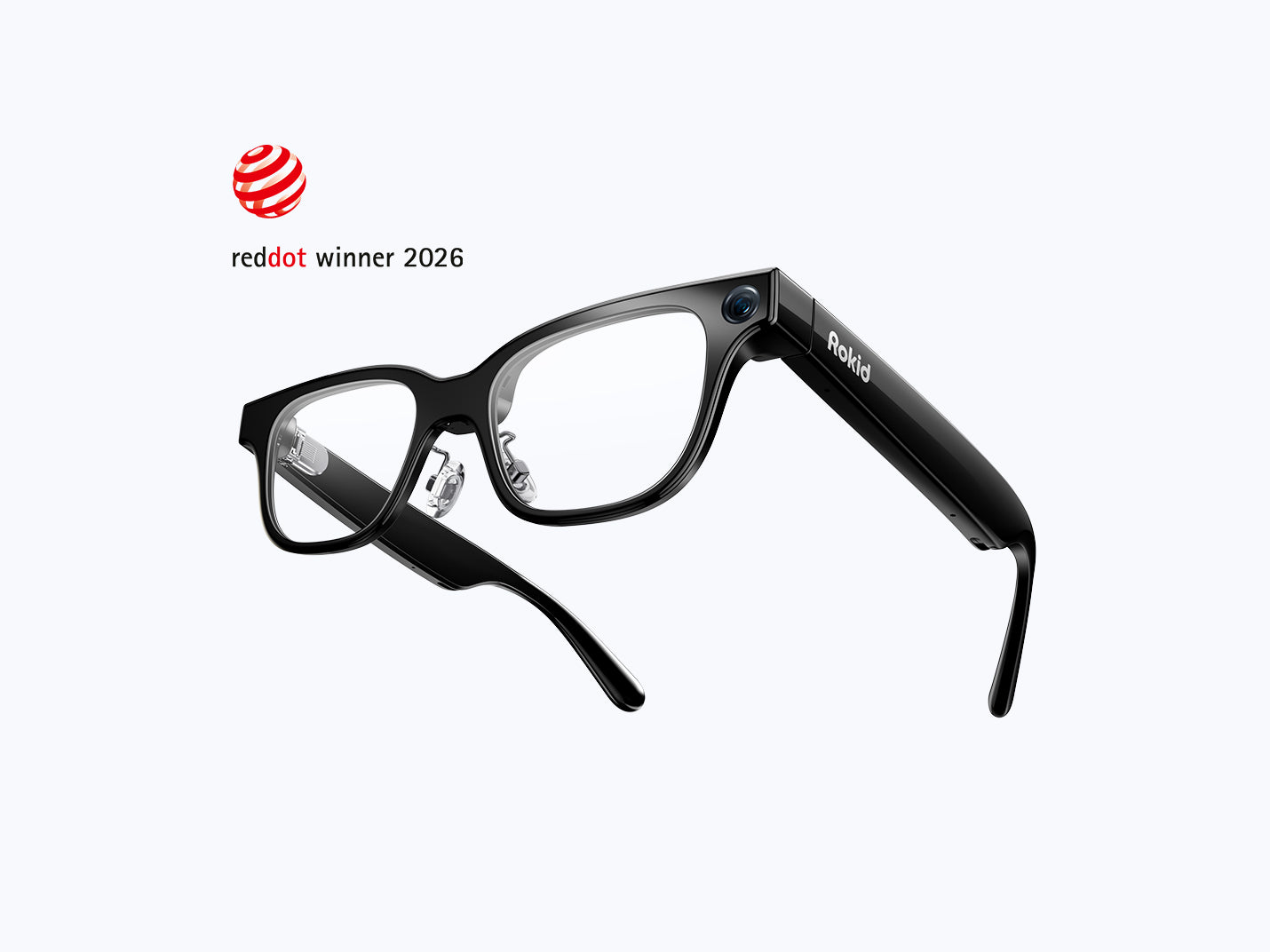
Rokid Glasses (Display) - view 1
Rokid

Rokid Glasses (Display)

Optometrist Perspective - UK Registered

Research-based review by Sean Higgins

Camera and assistant glasses with a green binocular information display and a separate prescription-frame solution.

Prescription options — see assessment
AI Powered
AR Display
Audio Enabled
  • Discreet information-display approach
  • Separate prescription carrier offered
  • Independent review praises text presentation

Optical perspective · Published evidence and editorial interpretation

Sean’s optical assessment

By , GOC Registered Optometrist

My view

Rokid Display is worth considering if readable prompts and captions would be more useful to you than a large entertainment screen. I would check it with your own phone and the intended prescription solution. Being able to read the green text is only half the job; your normal view through the lenses must work well too.

Manufacturer evidence

Know which Rokid you mean

Rokid Glasses with Display use green information overlays. They are neither display-free Style glasses nor Max 2 personal-screen glasses. Assess short text, prompts and subtitles rather than expecting a high-resolution colour cinema image. The purpose of the display is more informative than a generic AR label.[1]

Manufacturer evidence and optical interpretation

Prescription frame and lens positioning

Rokid sells a dedicated prescription frame for this display model. Confirm the supported prescription and which parts are included; the accessory frame is not the same as finished corrective lenses. I would check lash clearance and both the through-lens view and overlay after the carrier is fitted.[2]

Independent test

What hands-on evidence adds

Tom’s Guide’s tester praised display sharpness and the subtle design, but identified additional prescription costs and a more awkward iOS setup. Those are practical trade-offs for a prescription wearer: the complete lens-and-phone setup should be reviewed, not just the glasses removed from the box.[3]

Optical interpretation

My fitting and aftercare questions

I would want stable text without moving the frame to chase clarity, and no need to compromise normal vision to read an overlay. Ask who will troubleshoot a blurred combined image, remake an insert or replace a prescription. Do not assume that a supplier’s broad correction claim covers prism or every complex prescription.[2]

Optical pros & cons

A summary of the evidence and optical interpretation above.

Reasons to consider it

  • Discreet information-display approach
  • Separate prescription carrier offered
  • Independent review praises text presentation

Limitations to weigh up

  • Prescription components add cost and complexity
  • iOS workflow drew criticism in testing
  • Not a movie-screen product

Before choosing this pair

My fitting checklist

  1. Specify Glasses with Display when ordering lenses.
  2. Confirm carrier, glazing and app requirements.
  3. Trial both ordinary vision and the projected text.

Who I would shortlist it for

A user with a specific need for short visual information and a confirmed prescription setup.

Where I would be cautious

Someone seeking full-colour films or a simple one-piece spectacle lens replacement.

Technical Specifications

Audio

Open-ear speakers

Lenses

Separate model-specific prescription frame

Display

Green binocular information display

Research sources

The sources used for this assessment are linked below. Review dates and the exact model matter: software can change, and one frame’s fit does not establish another’s. Manufacturer information supports specifications and lens options; independent reviews describe the named tester’s experience. The prescription and fitting advice is my optical interpretation.

  1. Manufacturer

    [1] Rokid — Glasses with Display official information
  2. Manufacturer

    [2] Rokid — separate prescription frame for Display glasses
  3. Independent test

    [3] Tom’s Guide — Jason England, Rokid Glasses display test
How the optical interpretation is formed

The fitting checklist is an editorial interpretation, not a report that this pair has been physically fitted to you. Relevant checks include the prescription, lens positioning, frame stability and intended task. ABDO’s visual-discomfort guidance explains these general dispensing considerations.

Blue-light filtering or display certification is not treated here as proof of symptom-free use. Cochrane’s review of blue-light filtering spectacle lenses found no established short-term advantage for computer-related visual fatigue. This evidence concerns spectacle filters, not a clinical test of this smart-glasses model.

Read our review methodology