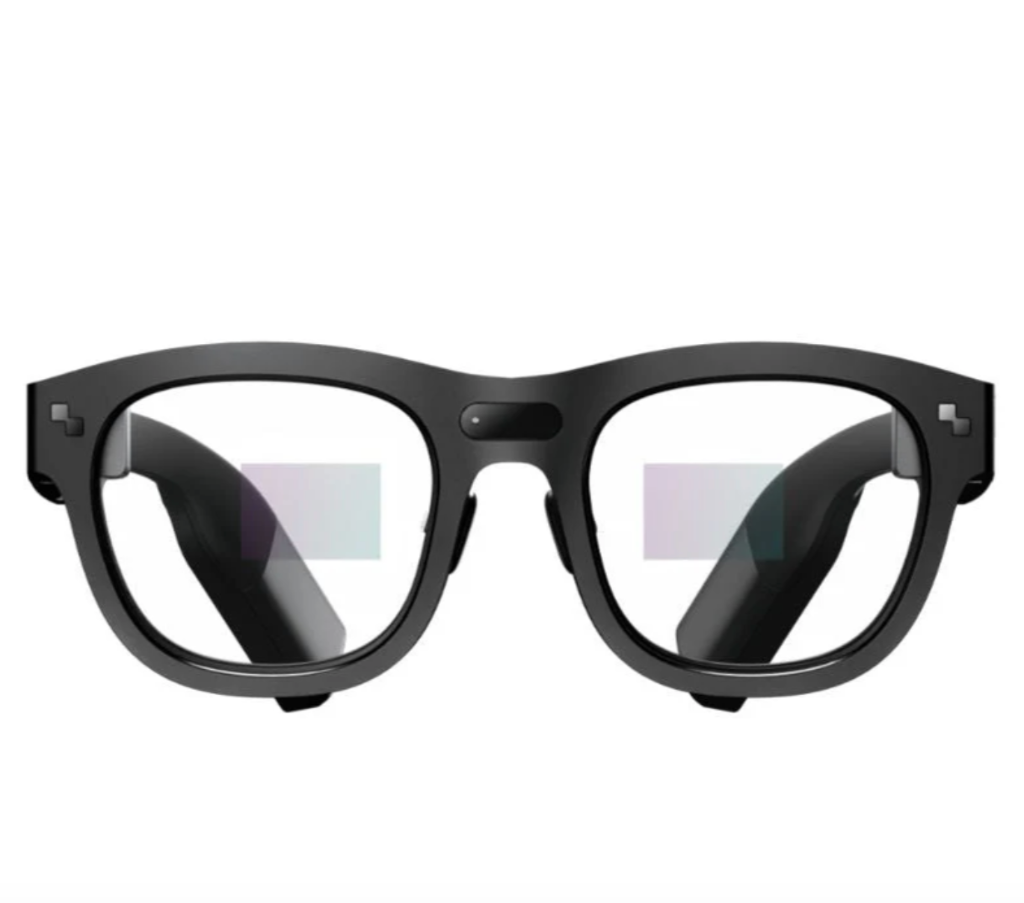
TCL RayNeo X2 - view 1
RayNeo
New Release
Editor's Pick

TCL RayNeo X2

Optometrist Perspective - UK Registered

Research-based review by Sean Higgins

Standalone binocular waveguide glasses for information overlays, distinct from RayNeo’s Air entertainment displays.

Prescription options — see assessment
AI Powered
AR Display
  • Binocular colour information display
  • Standalone computing design
  • A documented model-specific prescription route

Optical perspective · Published evidence and editorial interpretation

Sean’s optical assessment

By , GOC Registered Optometrist

My view

The X2 is one for someone who enjoys experimenting with AR, rather than my obvious choice for everyday prescription glasses. Think short prompts and overlays, not a cinema screen. Before spending on lenses, establish what the software can do for you and who will supply and support the exact prescription arrangement.

Independent test

An information window, not a cinema

UploadVR’s 2024 hands-on review describes a small display field and low-resolution colour overlays, and criticises the practical AR implementation. That is a different optical task from watching a full movie on Air-series glasses. I would assess legible prompts and unobstructed real-world viewing separately.[1]

Manufacturer evidence

Prescription support needs a correction

RayNeo’s current prescription guide describes sample lenses for the X2 that can be taken to an optician, or an enquiry to Lensology. A blanket claim that X2 has no prescription route is therefore inappropriate. Availability and the exact lens arrangement should be confirmed before selecting the device.[2]

Evidence limitation

Do not confuse product generations

The official X2 page and published reviews contain differing specification and presentation details. Confirm the supplied model, firmware and regional support rather than borrowing figures from X2 Lite or X3 Pro. This review does not rely on the older catalogue’s camera, weight or processor numbers.[3][1]

Optical interpretation

My optical recommendation

I would want a trial that demonstrates clear text with each eye and a comfortable combined image, alongside clear distance vision through the prescription solution. Ask how the sample lenses are intended to be used; the integrated waveguide is not something to replace casually with a conventional spectacle lens.[2]

Optical pros & cons

A summary of the evidence and optical interpretation above.

Reasons to consider it

  • Binocular colour information display
  • Standalone computing design
  • A documented model-specific prescription route

Limitations to weigh up

  • Restricted display field in independent testing
  • Older tests criticise software and controls
  • Prescription availability needs supplier confirmation

Before choosing this pair

My fitting checklist

  1. Confirm the exact X2 model and regional app support.
  2. Ask a supplier about the current prescription route.
  3. Test both overlay readability and the view through the lenses.

Who I would shortlist it for

A technically informed early adopter exploring information overlays.

Where I would be cautious

A buyer wanting a mature cinema display or a simple replacement for everyday spectacles.

Technical Specifications

Connectivity

Standalone system; regional app and service support must be checked

Lenses

Model-specific prescription route; confirm supply

Display

Binocular colour waveguide information display

Research sources

The sources used for this assessment are linked below. Review dates and the exact model matter: software can change, and one frame’s fit does not establish another’s. Manufacturer information supports specifications and lens options; independent reviews describe the named tester’s experience. The prescription and fitting advice is my optical interpretation.

  1. Independent test

    [1] UploadVR — RayNeo X2 optical and software test (2024)
  2. Manufacturer

    [2] RayNeo — model-specific prescription routes
  3. Manufacturer

    [3] RayNeo — X2 official information
How the optical interpretation is formed

The fitting checklist is an editorial interpretation, not a report that this pair has been physically fitted to you. Relevant checks include the prescription, lens positioning, frame stability and intended task. ABDO’s visual-discomfort guidance explains these general dispensing considerations.

Blue-light filtering or display certification is not treated here as proof of symptom-free use. Cochrane’s review of blue-light filtering spectacle lenses found no established short-term advantage for computer-related visual fatigue. This evidence concerns spectacle filters, not a clinical test of this smart-glasses model.

Read our review methodology